
Hazardous Material Inspection
Know What Is Inside the Walls
Hazardous material inspection in City unavailable for properties with aging construction, suspected contamination, or pre-renovation safety requirements
Senty Drywall performs hazardous material inspection for property owners, contractors, and building managers who need to know what materials are present before work begins. Homes and commercial buildings constructed before the mid-1980s were routinely built with materials that are now classified as hazardous—including asbestos-containing compounds applied to walls, ceilings, and joint compounds, as well as lead-based paints common in structures built before 1978. Without a formal inspection, those materials are not visible to the eye and cannot be identified by appearance alone.
The inspection process involves systematic sampling of suspect materials—drywall texture, joint compound, ceiling tiles, insulation, and painted surfaces—followed by laboratory analysis to confirm the presence or absence of regulated substances. The sequence matters: sampling must occur before any demolition, cutting, sanding, or surface disturbance takes place, because disrupting a hazardous material without prior identification creates an exposure risk that cannot be undone on site. Senty Drywall approaches each inspection by mapping the building's construction history against the materials present, so the scope of sampling is targeted rather than arbitrary.
Schedule an inspection walkthrough with Senty Drywall to assess which materials in your property require laboratory sampling before any planned renovation work.
How Hazardous Material Inspection Works Before Renovation
During a hazardous material inspection, each suspect material is documented by location, condition, and quantity, then a physical sample is collected using controlled methods that minimize fiber or particle release. Samples are sealed, labeled, and submitted to an accredited laboratory for polarized light microscopy or X-ray fluorescence analysis, depending on the substance in question. The resulting report identifies the material type, the concentration of the regulated substance, and the condition of the material—whether it is intact and contained, or friable and at risk of release.
Once the laboratory results are returned, property owners have a documented record of exactly what materials are present and where they are located within the building. That record determines which areas require abatement before construction can proceed, which materials can remain undisturbed, and what personal protective requirements apply to any workers entering the space. The documentation produced by Senty Drywall is the reference point that contractors, abatement crews, and building inspectors work from through the remainder of the project.
It is worth noting that not every material that looks like it could be hazardous actually is—joint compounds from certain manufacturing periods tested negative, while others from the same era did not. Laboratory confirmation is the only reliable way to draw that line, and the inspection report is the legal record that protects both the property owner and the tradespeople doing the work that follows.
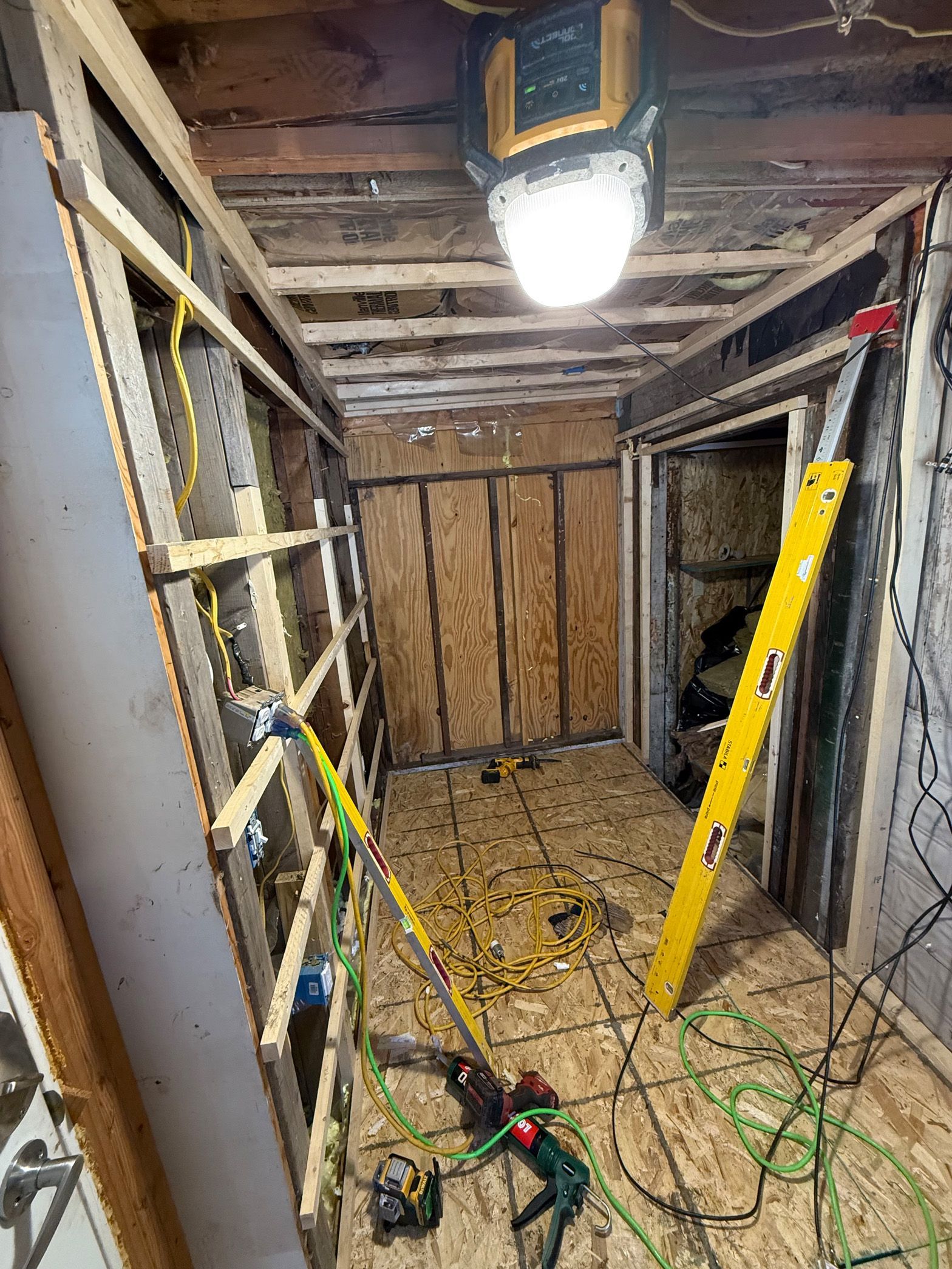
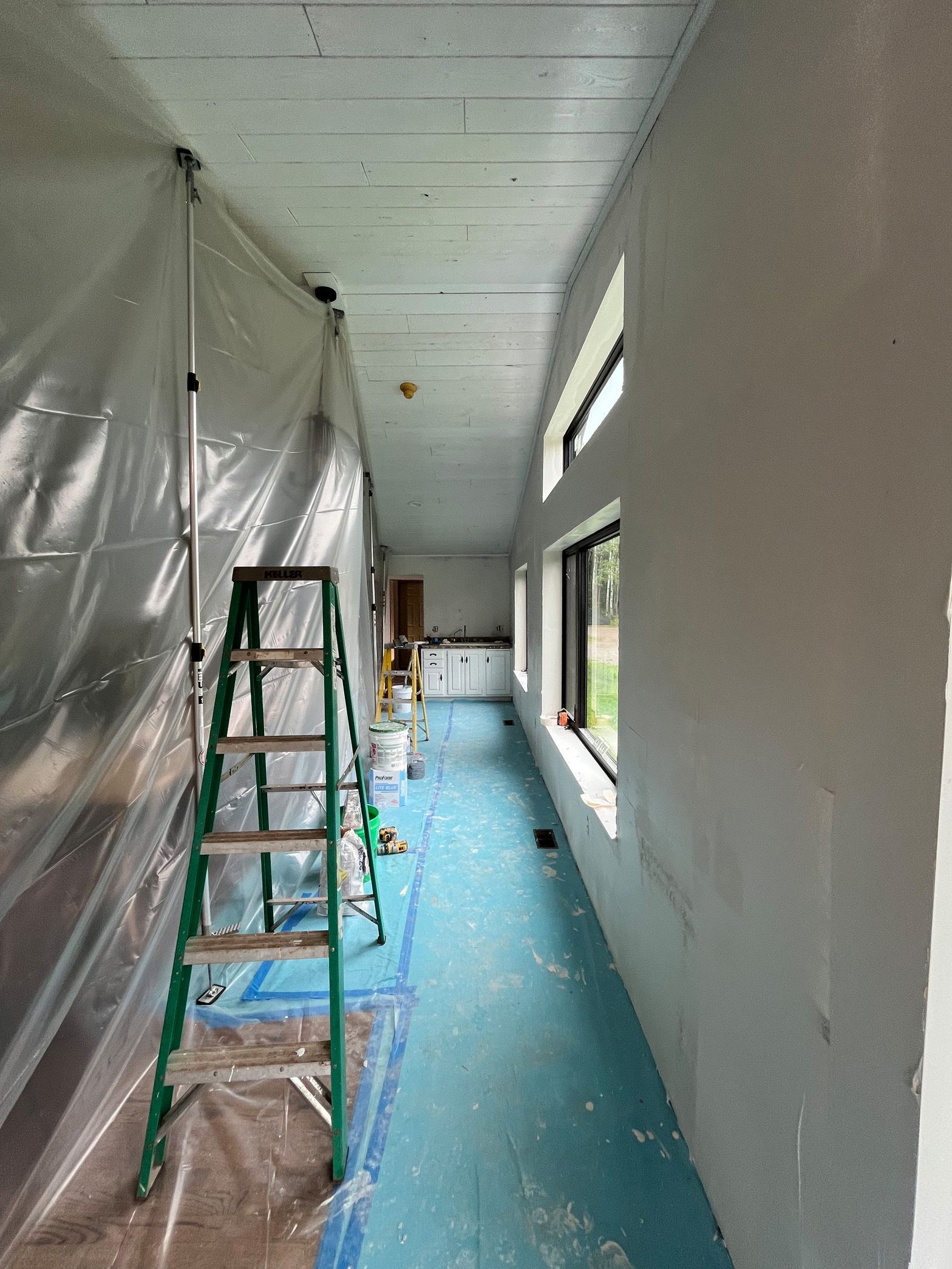
Common Questions About Hazardous Material Inspection
These questions address the inspection process itself, how sampling decisions are made, and what the results mean for the work ahead.
- What materials are typically sampled during a hazardous material inspection? Sampling targets any material that could reasonably contain asbestos or lead based on its age, application type, and location—common candidates include joint compound, wall and ceiling texture, floor tile and mastic, pipe insulation, and painted surfaces on trim, windows, and doors. The selection is driven by the construction era of the building and the scope of the planned disturbance.
- How does the condition of a material affect the inspection outcome? A material that tests positive but remains intact and undisturbed may be managed in place rather than removed, while the same material in a deteriorated or friable state typically requires abatement before work proceeds. The inspection report documents both the test result and the condition rating so that the appropriate response is clear.
- What happens if hazardous material is found after demolition has already started? Work must stop in the affected area, the space should be isolated to prevent fiber or particle spread, and a post-disturbance assessment is needed before the project can continue. Identifying materials before demolition begins is the reason pre-renovation inspection exists as a required step in most regulated projects.
- Why does the construction year of a building matter for determining which areas need sampling? Manufacturers phased out asbestos in building products at different times across different product categories, and lead paint use declined after 1978 but was not eliminated instantly. Buildings in City unavailable constructed between the 1950s and 1980s often contain multiple generations of materials, meaning a renovation that touches several layers may encounter regulated substances in more than one location.
- What does a completed inspection report include beyond the test results? A thorough inspection report identifies each sampled location with a description and photograph, records the laboratory findings with concentration levels where applicable, notes the physical condition of each material, and outlines which findings trigger regulatory requirements for abatement, notification, or disposal handling before construction can move forward.
Senty Drywall provides hazardous material inspection documentation that property owners, contractors, and permitting offices can rely on through every phase of a renovation or demolition project. Request an inspection assessment to review the materials present in your property and determine what sampling is needed before work begins.